

Review · SEVILLE
Skip the Line: Museo del Baile Flamenco Admission Ticket
Flamenco begins before the curtain rises. The Museo del Baile Flamenco gives you a compact introduction to Andalusia’s signature art, just five minutes from Seville Cathedral and the Giralda. I like its central old-town location and its chance to see costumes, videos, music, and dance styles in one short stop. The main drawback is that the museum itself can feel thin if you expect a large collection.
I also like the interactive displays and the link to Cristina Hoyos, the famous dancer and choreographer who founded the museum. You can learn the names and character of styles such as Alegría, Soleá, Seguiría, Taranto, Tangos, and Guajira. Still, the experience is much stronger when the museum happens to connect with a flamenco show, which costs extra and needs its own ticket.
Key points to know before you go
- Five minutes from Seville Cathedral: Easy to pair with the Giralda, Alcázar area, and other old-town sights.
- A short museum visit: Plan on roughly 30 to 45 minutes for a brisk visit, though the stated time allows up to 90 minutes.
- Cristina Hoyos connection: The museum was founded by one of flamenco’s best-known dancers and choreographers.
- Shows cost extra: The admission ticket covers the museum only, not the live performance.
- Advance booking is most useful for shows: The museum alone may not need a skip-the-line ticket, but performances can sell out.
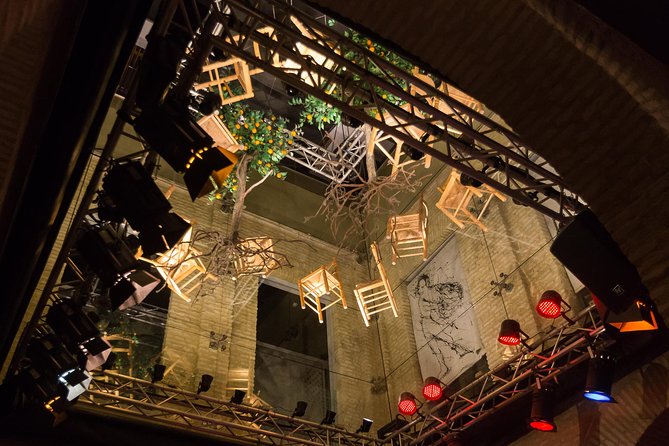
- Small, intimate setting: The building is an updated eighteenth-century structure with a performance space, gallery, costumes, videos, and interactive screens.
A flamenco introduction in Seville’s old town
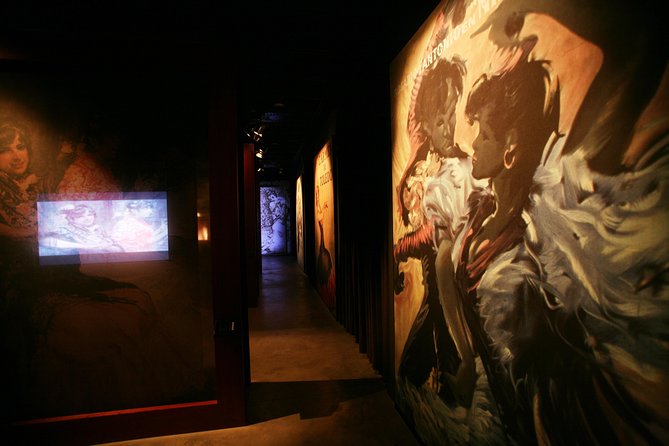
The Museo del Baile Flamenco sits in a renovated eighteenth-century building in the heart of Seville. Its location is one of its strongest points. You can visit after the Cathedral and Giralda without planning a separate cross-town trip, then continue on foot through the old center.
This is not a grand museum with room after room of major objects. It is a compact cultural stop built around the idea of explaining flamenco through movement, sound, clothing, photographs, and film. That makes it useful for you if flamenco is new, especially before attending a live show.
The museum presents flamenco as a living Andalusian art rather than simply a stage costume or a tourist performance. It introduces different forms of dance and gives you a basic sense of how their rhythms, gestures, and moods differ.
The admission is listed at $7.15 per person. At that price, the museum can be a reasonable add-on during a day in Seville, particularly if you value context and already plan to be nearby. One account reports paying €6 at the entrance, so check the current price before deciding if advance purchase offers a real saving.
More Skip-the-Line Tickets in Seville:
- Skip the Line: Tablao Flamenco Pura Esencia Ticket
★ 5.0 · 735 reviews - Skip the line: Tablao Flamenco Andalusí Ticket
★ 4.5 · 124 reviews - Skip the Line: Authentic Flamenco in Granada Ticket
★ 5.0 · 2 reviews
What you see inside the renovated eighteenth-century building
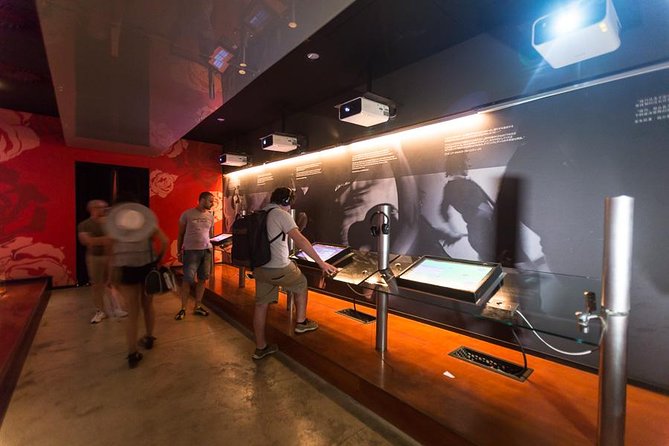
The visit is arranged as a series of small exhibition areas. The exact presentation may change, and some interactive equipment may not always work perfectly, but the core visit generally moves through videos, sound, dance information, costumes, and visual material.
An opening video helps set the scene. A longer presentation then introduces seven principal dance styles. This section is likely the most useful part for anyone who does not already know the difference between Alegría, Soleá, Seguiría, Taranto, Tangos, Guajira, and related forms.
The point is not to turn you into a flamenco expert in half an hour. Instead, you begin to notice that flamenco is not one single dance. Each style has its own character, rhythm, and physical language. That basic framework can make a later performance easier to follow.
One digital display focuses on individual movements. It shows the names of gestures and explains why certain movements are performed in particular ways. This is a good example of the museum at its best because it gives you something concrete to watch for rather than simply placing a label beside a photograph.
The museum also includes recordings and filmed dance segments. Some displays offer an atmospheric sense of flamenco, while others provide a more direct explanation of the performers and styles. Sound quality may be uneven in parts of the museum, so do not expect every recording to be equally easy to hear.
Costumes, photographs, and the small gallery
The costume section displays dresses from different periods. These garments help show how flamenco’s visual identity has changed over time, although the collection is limited rather than extensive.
I would set your expectations here. If you are hoping for a large wardrobe of rare stage clothing with long explanations beside each item, the display may disappoint. Some people find the costume area too basic, while others enjoy seeing the fabrics, shapes, and changing styles up close.
Photographs of notable flamenco performers add personality to the visit. They remind you that this art is shaped by individual dancers, singers, guitarists, and choreographers, not only by fixed tradition.
A small gallery occupies part of the upper floor. It can be pleasant to look through, but the information provided there may be brief. The building itself also contains an older vaulted area with pre-Roman stonework. That feature is interesting in its own right, though its connection to flamenco is not always obvious.
This mix of material gives the museum character, but it also explains the divided reaction to the experience. You may find the videos and digital movement display genuinely helpful, while finding the gallery or costumes less informative than expected.
The performance space is the museum’s strongest promise
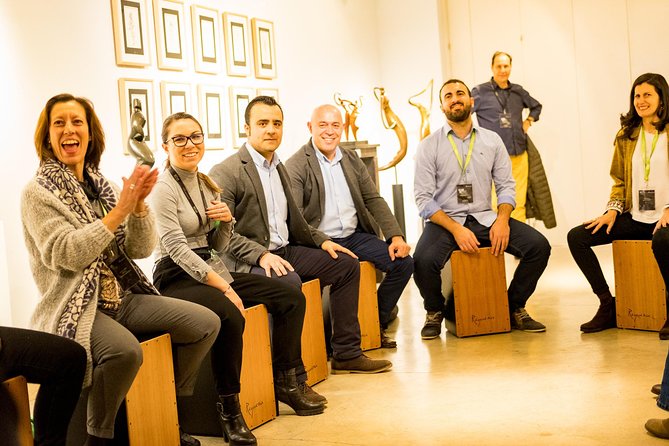
The museum’s most praised feature is not necessarily the exhibition. It is the live flamenco performance offered separately in the building.
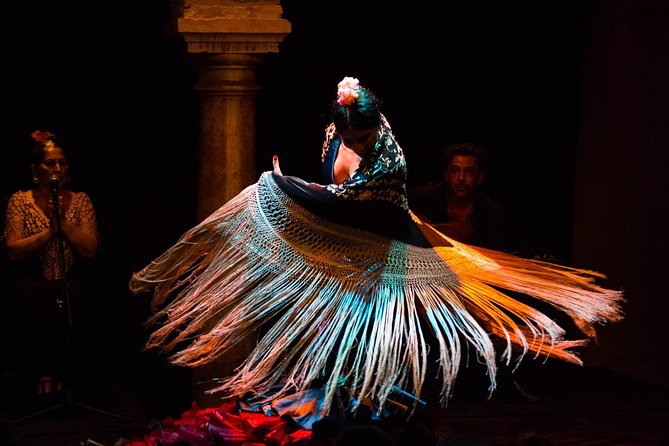
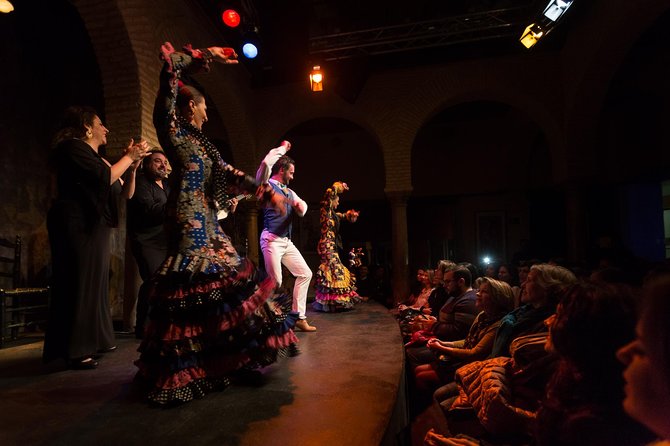
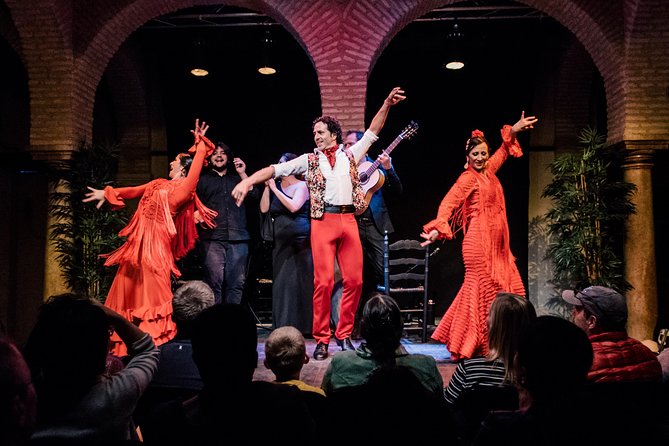
The show takes place in a small, intimate setting. The compact room puts you close to the dancers, singers, and guitarist, which can make the physical force of flamenco easy to feel. One performance described in the supplied material included two female dancers, one male dancer, two male singers, and a guitarist, lasting about an hour.
The performers’ energy is central to the appeal. Flamenco depends on sharp footwork, controlled posture, hand movements, singing, guitar, and sudden changes in intensity. In a small room, these details are easier to notice than they might be in a large theater.
The show is not included with the $7.15 museum ticket. You must purchase it separately. A listed example placed a performance at €25, but prices and schedules can change, so treat that figure only as a guide.
There are three shows a day according to the supplied information, and advance booking is important because performances can sell out. Arriving at least 30 minutes early is a sensible tip if you want a better choice of seat.
You should also note that the museum admission does not include souvenir photographs or a DVD. Those are available to purchase separately. The gift shop also sells items such as CDs, though not every desired image or poster may be available.
More Tickets in Seville:
- Seville: Live Flamenco Dancing Show Ticket at the Theater
★ 4.7 · 16,396 reviews - Seville: Puro Flamenco Show with Optional Museum Ticket
★ 4.8 · 6,088 reviews - Seville: Flamenco Show Ticket at Tablao Flamenco Las Setas
★ 4.8 · 2,214 reviews - Seville: Ticket to Flamenco Show at La Casa de la Guitarra
★ 4.5 · 1,321 reviews
How long the visit really takes
The stated duration is about 45 minutes to 1 hour 30 minutes. In practice, a brisk visit can take 30 to 45 minutes, especially if you watch only part of each video and move quickly through the displays.
You can stay longer if you listen carefully to the recordings, read the material, spend time with the interactive screens, and visit the upper gallery. The museum is small enough that you will not need half a day.
That timing makes it easy to fit between major Seville sights. You could visit after the Cathedral and Giralda, stop for lunch, and then attend a later flamenco show. Or you could use the museum as a short indoor break during the hottest part of the day.
The normal visiting window runs from 11:00 to 18:00, with last entry at 18:00. On the first Monday of each month, the museum opens at 16:00 instead, so check that detail before you plan a morning visit.
The mobile ticket lets you keep admission on your phone. Confirmation is provided when booking, and the museum is near public transportation. Most people can take part, and the maximum group size is listed as 80, though the museum’s intimate rooms may feel much smaller than that number suggests.
Is the skip-the-line ticket worth the price?
This is where you should read the product name carefully. The advance ticket secures your admission, but the museum-only experience may not have a serious queue problem.
One account paid €6 at the entrance and felt there was no need for a skip-the-line pass when visiting only the exhibition. That is useful advice. If you are already near the museum and there is no line, buying at the door may be simpler.
The advance ticket still has some value. You can arrange the stop before leaving home, keep the ticket on your phone, and avoid wondering if the museum will fit into your day. The convenience may be worth the small difference, especially during a busy visit to Seville.
The stronger reason to book ahead is the live show, not the museum admission. Since performances can sell out, reserve the show separately if seeing flamenco onstage is important to you. Do not assume that a museum ticket gives you access to the performance.
Who will enjoy this museum most?
I would recommend this stop to you if you are curious about flamenco but have little background. The videos, movement display, costumes, and list of styles give you enough structure to understand what you are seeing later.
It also suits families and mixed-interest groups. The visit is short, indoors, and close to major sights. One person can spend time with the digital material while another looks at costumes or photographs.
It is less suitable if you want a large collection, detailed academic interpretation, or a full flamenco experience without attending a show. Some displays are brief, some sound equipment may be difficult to hear, and the upper gallery is small.
If you have already attended several flamenco performances, the museum may add only a little. In that case, spend your time and money on a show instead, unless you particularly want the background on styles and performers.
How to build it into a Seville day
The museum works best as part of a larger old-town plan. Start with the Cathedral and Giralda, which are about five minutes away on foot. Then use the museum for a short introduction to flamenco before exploring nearby streets and plazas.
Another good plan is to see the museum in the afternoon and attend an evening show. The exhibition gives you a vocabulary for what follows. When a dancer changes posture, strikes the floor, or shifts the mood of a piece, you will have a better idea that these choices are part of distinct flamenco forms.
You might also hear or catch part of a performance from the ground-floor area while looking around. That can add a welcome sense of occasion, but it is not something to count on with a museum-only ticket.
Keep your schedule flexible on the first Monday of the month. The later opening at 16:00 means you should not place the museum before lunch that day.
My verdict on the $7.15 admission
At $7.15, I see the museum as a modest, useful introduction rather than a destination that needs hours of your day. Its best features are the location, the clear presentation of several flamenco styles, the digital movement display, and the connection to Cristina Hoyos.
Its weak points are the small scale, limited costume collection, uneven explanatory material, and occasional problems with interactive or audio displays. You may leave with a better sense of flamenco, but you should not expect a major museum experience.
The live show is the real reason to consider the building a priority. It costs extra, but the intimate room and highly physical performance can provide the memorable Seville evening that the museum alone may not deliver.
Should you book Museo del Baile Flamenco?
Book the museum ticket if you want a short, central introduction to flamenco and appreciate the ease of a mobile admission. It is a sensible stop for first-time learners, families, and anyone already visiting the Cathedral area.
Skip the advance museum ticket if you are nearby, see no queue, and prefer to decide at the door. Most importantly, book the separate show in advance if you want the full experience. The museum can explain the art, but the live performance is where its power becomes clear.
FAQ
Where is Museo del Baile Flamenco?
It is in Seville’s old town, about five minutes on foot from the Cathedral and the Giralda.
What does the admission ticket include?
The ticket includes admission to Museo del Baile Flamenco. It does not include a flamenco show, DVD, or souvenir photographs.
What are the museum’s opening hours?
Visits are available from 11:00 to 18:00, with last entry at 18:00. On the first Monday of each month, the museum opens at 16:00.
How long does the museum visit take?
The stated duration is about 45 minutes to 1 hour 30 minutes. A brisk visit may take about 30 to 45 minutes.
Is a flamenco show included?
No. The flamenco show is available to purchase separately from the museum admission.
Can I use a mobile ticket?
Yes. The experience provides a mobile ticket, and booking confirmation is received at the time of booking.
Can I cancel for a full refund?
Yes, if you cancel at least 24 hours before the experience start time. Cancellations or changes made less than 24 hours before the start time are not refunded or accepted.
Just added around Seville
- Unforgettable Seville: Tour of Seville and the Jewish Quarter + Flamenco Show★ 4.0 · 4 reviews
- Tapas and Flamenco in Seville★ 4.5 · 34 reviews
- Flamenco show in the heart of Triana★ 4.5 · 55 reviews
- Seville Pass: Cathedral + Alcazar + Flamenco Show★ 3.5 · 2 reviews
- Seville Pure Flamenco Tour★ 3.5 · 5 reviews
- Private walking tour to Seville with Flamenco Show★ 4.5 · 23 reviews
- Pure Flamenco Sevilla★ 4.5 · 22 reviews
- Seville Flamenco EBike Tour and Flamenco Show★ 5.0 · 2 reviews
Seville Flamenco Shows, compared.
Live Flamenco Dancing Show Ticket at the Theater
Read our review →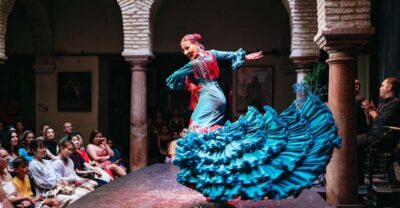
Puro Flamenco Show with Optional Museum Ticket
Read our review →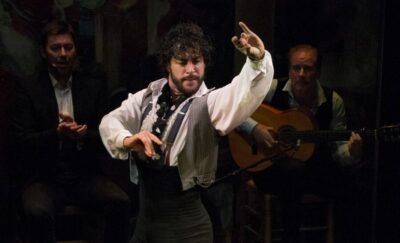
Live Flamenco Show at “Teatro Flamenco Triana”
Read our review →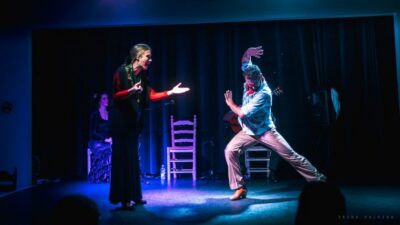
Flamenco Show Ticket at Tablao Flamenco Las Setas
Read our review →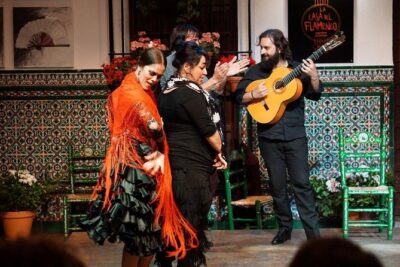
Authentic Flamenco Show with Tapas & Wine Guided Tour
Read our review →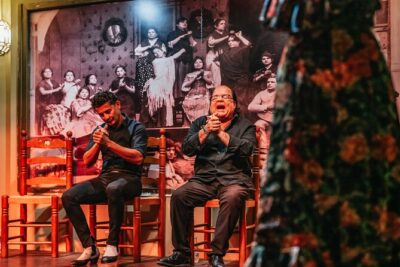
Flamenco Show at Tablao El Arenal with Drink and Optional Dinner or Tapas
Read our review →
Ticket to Flamenco Show at La Casa de la Guitarra
Read our review →Browse the lists this tour appears in